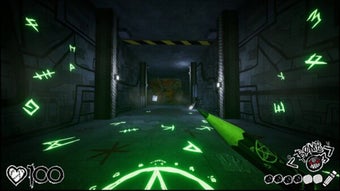
Paperhead blends frantic shooting with cardboard horror and creative tools
Paperhead, from Paperhead te4m on PlayStation 5, places a nimble protagonist inside a reality-bent research facility to investigate bleeding papercraft inhabitants. The game pairs fast first-person combat with a magic pencil that lets players alter the environment and resolve encounters through drawing. A handcrafted cardboard visual approach, an industrial soundtrack, and visceral feedback position the title for players who prefer momentum, experimentation, and tense, aggressive play.
The game emphasizes an improvisational combat loop that rewards creative solutions
Core loop: players engage in rapid encounters where shooting, repositioning, and improvisation converge. Combat scoring awards stylish play for aggression and inventive problem solving, while the pencil mechanic expands tactical options by allowing direct creation of tools and explosives in the world. This structure shifts emphasis from cover-based play to active movement and on-the-fly decision making, favouring players who like scoring and expressive approaches to encounters.
Traversal and weapons are designed to keep pace with the action
Movement and armament: locomotion systems include sliding, air-dashing, and enemy-stomping that chain into attacks, and weapons include a classic shotgun plus environmental interactions like kicking explosive barrels. These systems interlock so movement becomes an offensive resource rather than a defensive retreat, encouraging continuous engagement and quick recovery after errors. A short list of mechanical pillars:
- fast repositioning moves
- melee stomps for aerial resets
- explosive environmental tactics
Visuals and sound cultivate a conflicted, handcrafted atmosphere
Presentation: the art direction dresses the world in cardboard and paper motifs, with deliberate instances of paper bleeding to introduce a horror note. Audio uses high-energy industrial tracks to push tempo during fights and amplify momentum. The juxtaposition of childlike materials and explicit gore produces tonal dissonance that keeps encounters uneasy and memorable, especially when paired with high-tempo tracks that drive player movement.
The difficulty curve and replay drivers favour mastery and high-score runs
Progression and replayability: action rankings and encouragement of aggressive play create clear incentives for repeat sessions aimed at improving performance. The drawing tool produces emergent encounters, which supports varied approaches across playthroughs. Players coming from titles that prize speed and mechanical skill should find the design familiar, while those accustomed to slower, exploratory shooters may face a steeper learning curve before consistent success.
In summary, the game suits mechanically driven players seeking competitive, creative runs
Paperhead is a kinetic choice for players who enjoy mastering tight movement and carving higher-scoring runs through creative tactics; its design rewards practice and performance improvement. Try the Ep. 0 prologue to sample the systems directly; players who prefer leisurely exploration or a low-stakes pace may find the game's intensity and mature tone less appealing.